
ECO-WORTHY 400W vs Renogy 640W: which solar kit is the smarter buy?
If you’re choosing between these two solar kits, you’re really deciding between value and outright performance. ECO-WORTHY’s 400W bifacial setup is the cheaper entry point, while Renogy’s 640W N-type kit offers more panel capacity and a more premium spec sheet. For UK renters, vanlifers, boat owners, and off-grid users, that difference can matter a lot once you factor in roof space, charging speed, and long-term reliability. Here’s the definitive breakdown of which one makes more sense.

ECO-WORTHY 400W Bifacial Solar Panel 2pcs 195 Watt 12 Volt Monocrystalline Solar Panel Module Off Grid PV Power for Home, Camping, Boat, Shed Farm, Motorhomes
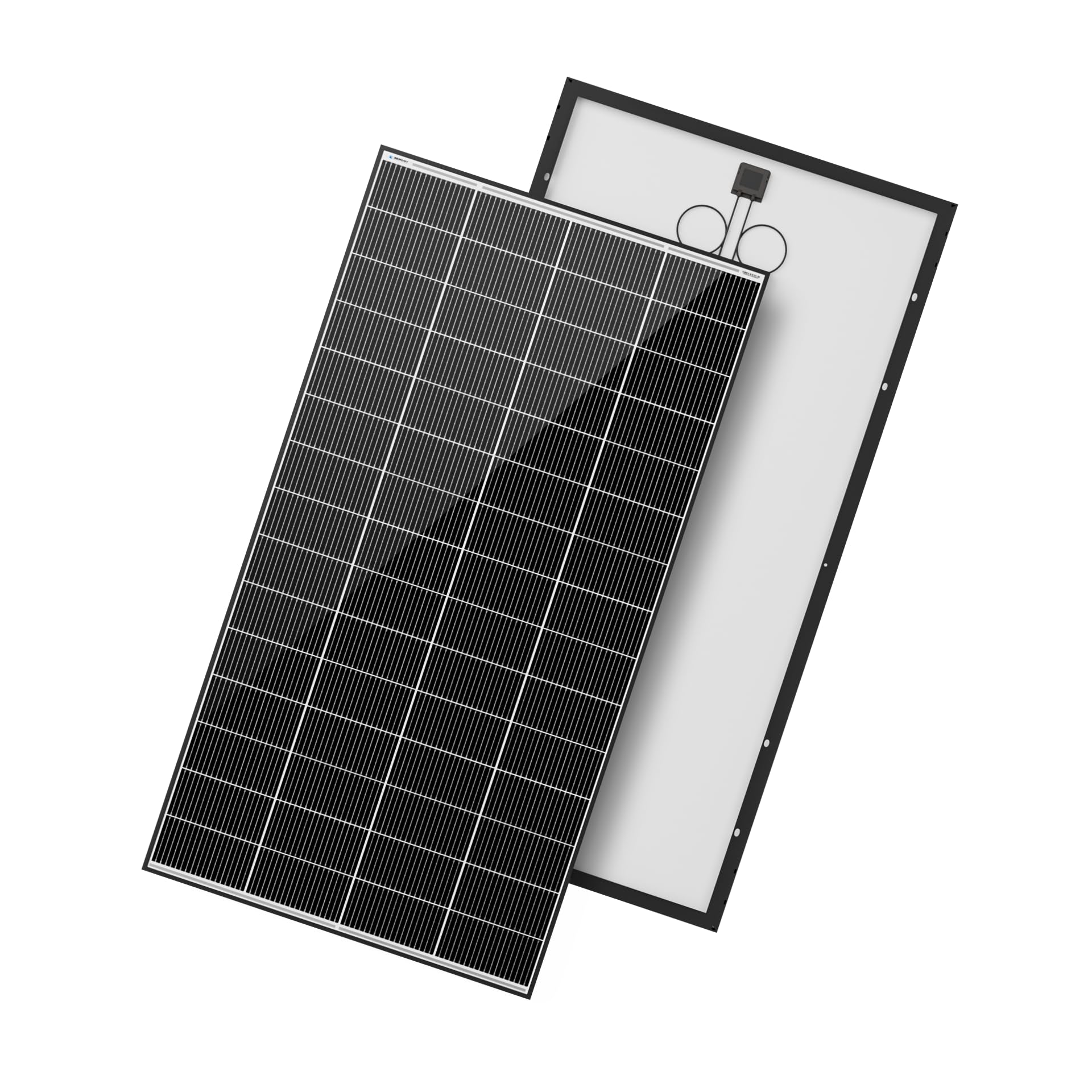
Renogy Solar Panels, 640W Monocrystalline N-Type Solar Cell 2pcs 320W Solar Panel Kit PV Module Solar Power System, High-Efficiency Solar Panel for Campervan, Home, Boat, Residential Commercial House
Our Recommendation
Renogy is the better overall buy because it delivers far more power at 640W, uses more advanced N-type monocrystalline cells, and is better suited to serious off-grid or residential use. The higher upfront cost buys you stronger real-world performance, better low-light potential, and more future-proof durability. ECO-WORTHY is cheaper, but Renogy is the more capable and better long-term choice for most buyers.
Detailed Comparison
Display / output potential
Winner: Renogy
This category is the solar equivalent of raw screen size: how much usable power you can generate. Renogy wins on paper with 640W total output from two 320W panels, compared with ECO-WORTHY’s 400W total from two 195W panels. That 240W gap is significant: in decent UK sunlight, the Renogy kit can harvest meaningfully more energy during shorter winter days and cloudy conditions. If your goal is to run a fridge, charge a power station faster, or make a bigger dent in daily consumption, the extra wattage is the clearest advantage here.
ECO-WORTHY does have a useful bifacial design, meaning the rear side can capture reflected light and slightly boost output in the right setup. On a bright surface or elevated mount, that can narrow the gap a little, but it won’t realistically erase a 240W headline difference. For most buyers, Renogy simply offers more generation headroom.
Performance
Winner: Renogy
Performance is about how much usable energy you get in real-world conditions, not just the label on the box. Renogy’s N-type monocrystalline cells are the more advanced technology here. N-type panels generally offer better efficiency, lower degradation over time, and stronger performance in heat and low-light conditions than older P-type designs. That matters in the UK, where overcast skies and winter angles can punish weaker panels.
ECO-WORTHY’s bifacial monocrystalline panels are still respectable, and 4.7/5 from 80 reviews suggests buyers are generally satisfied. But the product title and spec suggest a more budget-oriented panel set. If you want the kit most likely to squeeze the maximum out of limited roof space, Renogy is the stronger performer.
Build quality and design
Winner: Renogy
Both brands are established in the DIY solar market, but Renogy has the edge in perceived build quality and system polish. The N-type panel construction suggests a more modern, longer-life design, and Renogy products typically benefit from stronger ecosystem support, more mature documentation, and better compatibility with accessories, charge controllers, and off-grid setups.
ECO-WORTHY’s bifacial 195W panels are practical and good value, especially if you’re mounting them on a shed, boat, motorhome, or balcony-style frame where rear-side light can help. But the lower price usually means simpler construction and less premium refinement. If you’re planning a more permanent or demanding installation, Renogy is the safer bet.
Battery life / long-term durability
Winner: Renogy
Neither of these is a battery product, but long-term durability still matters because panel longevity affects your total cost per kilowatt-hour. Renogy’s N-type cells typically have better degradation characteristics than standard monocrystalline panels, so they should hold output better over years of use. That makes them more attractive for anyone expecting regular daily charging.
ECO-WORTHY should still last well enough for casual off-grid use, weekend camping, or light home backup charging. But if you’re buying once and expecting the kit to work hard for years, Renogy’s technology gives it the advantage in long-term output retention.
Price and value for money
Winner: ECO-WORTHY
This is where ECO-WORTHY pulls ahead decisively. At £164.99, it is £175 cheaper than the Renogy kit, which is a huge saving. If you divide price by total wattage, ECO-WORTHY works out at roughly 41p per watt, while Renogy is about 53p per watt. That means ECO-WORTHY delivers a much lower upfront cost for people who mainly want a basic, functional solar setup.
However, value is not just about cheapest price per watt. Renogy charges more because it gives you more panel capacity and a newer cell technology. So the best value depends on your use case: ECO-WORTHY wins for budget buyers, but Renogy can still be the better investment if you’ll actually use the extra power.
Game library / features
Winner: Renogy
These are solar panels, so there is no game library in the traditional sense. Interpreting this as features and system flexibility, Renogy still wins. The 640W kit is better suited to larger off-grid systems, campervans, home battery charging, and commercial-style applications where more generation is useful. N-type panels also generally pair well with modern MPPT charge controllers and higher-performance setups.
ECO-WORTHY’s standout feature is bifacial generation, which is genuinely useful if you can mount the panels with airflow and reflective ground beneath them. That said, the feature set is narrower and more price-driven. Renogy offers the more capable overall platform.
Overall user experience
Winner: Renogy
For most buyers, Renogy is the more satisfying product because it feels like the more complete, future-proof choice. The higher 640W output, better cell technology, and stronger suitability for serious off-grid or residential use make it the more versatile option. It is the one to choose if you want fewer compromises and more charging power from the same footprint.
ECO-WORTHY is easier to recommend if your priority is keeping costs down and you only need modest solar generation. It has a strong review score, a very attractive price, and bifacial panels that can add some real-world bonus output. But if you’re asking for the definitive best buy between these two, Renogy is the better all-round solar kit.
Overall summary: ECO-WORTHY is the budget winner, but Renogy is the performance winner and the better long-term purchase for most users. If you need maximum energy generation and better panel technology, buy Renogy. If you want the lowest upfront cost and can live with less output, ECO-WORTHY is the smarter bargain.
Buy the ECO-WORTHY 400W Bifacial if...
Buy ECO-WORTHY if your main goal is to spend as little as possible while still getting a usable solar setup for a shed, campervan, boat, or occasional off-grid use. It is also the better choice if you have a smaller budget and can make use of the bifacial design in a reflective or elevated mounting position.
Buy the Renogy Solar Panels, if...
Buy Renogy if you want the highest output, faster charging, and a more premium panel technology for a campervan, home battery setup, or regular off-grid use. It is the better option if roof space is limited and you need each panel to produce as much energy as possible.
Curated by The Solar Plug on All The Top Picks
As an Amazon Associate we earn from qualifying purchases.