
Anker SOLIX C200 or EcoFlow Trail 300: which compact power station wins?
If you’re choosing a small LiFePO4 power station for camping, travel, backup charging, or balcony-style off-grid convenience, these two are close on paper but not identical in use. The Anker SOLIX C200 DC bundle adds a 60W solar panel and a strong brand reputation, while the EcoFlow Trail 300 DC gives you more battery capacity and higher output for less money. The right pick depends on whether you value included solar and proven ecosystem polish, or maximum usable energy per pound spent.

Anker SOLIX C200 DC Power Bank Station and 60W Solar Panel, 192Wh Portable Power Station, LiFePO4 Battery, 200W Solar Generator, For Outdoor, Camping, Traveling, and Emergencies
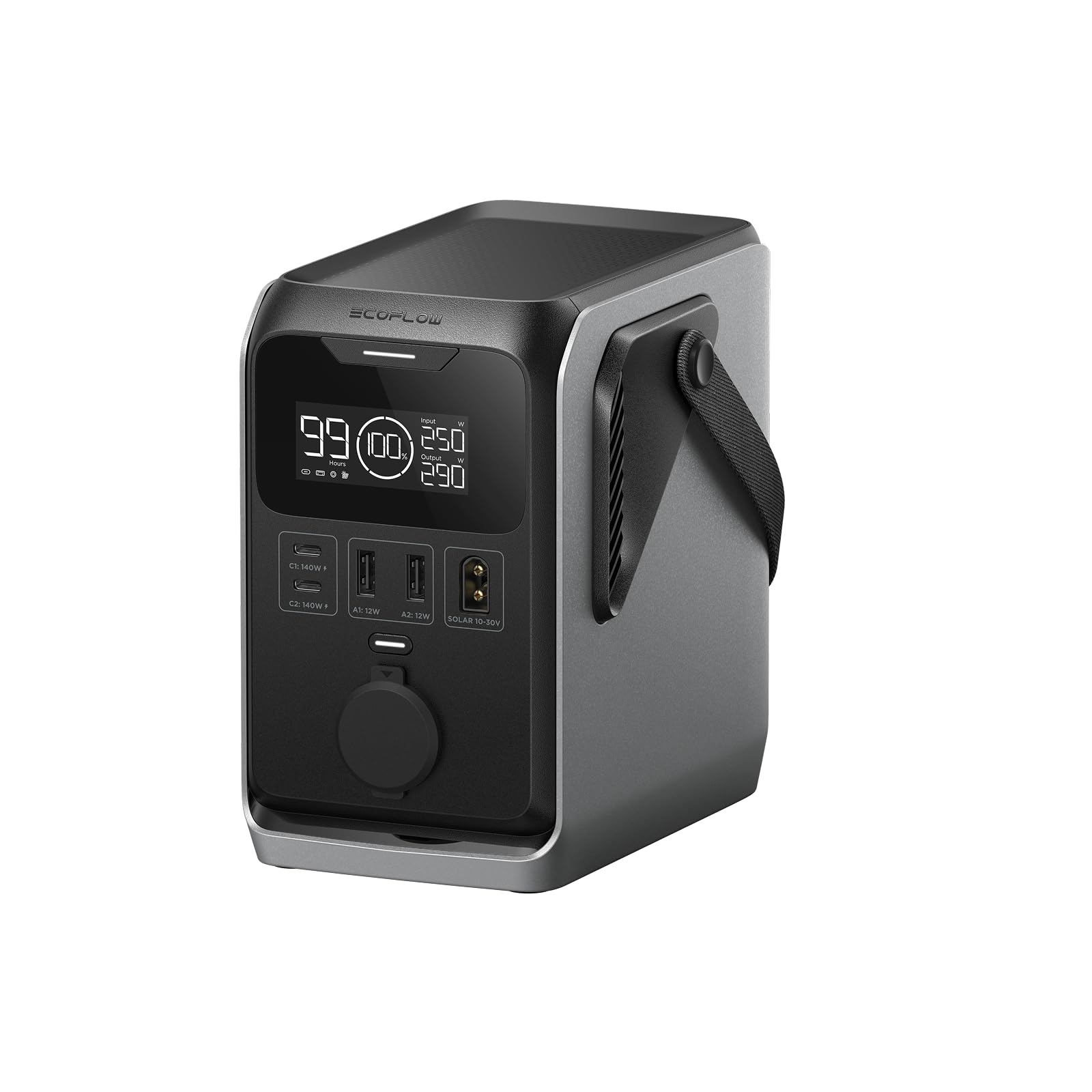
ECOFLOW Trail 300 DC Portable Power Station, 288Wh Ultra-light LiFePO4 Battery Bank, 300W Solar Generator, Fast Charge, 5 Output Port, Drop-Proof, Solar/Car Input, 0 Noise for Camping/Travel/Emergency
Our Recommendation
The ECOFLOW Trail 300 DC is the better overall purchase because it delivers more battery capacity (288Wh vs 192Wh), higher output (300W vs 200W), and a lower price. That combination makes it stronger value for camping, travel, and emergency use. The Anker SOLIX C200 only really pulls ahead if you specifically want the included 60W solar panel and prefer an all-in-one bundle. For most buyers, EcoFlow gives you more usable power for less money.
Detailed Comparison
Display
Neither product is really a “display-first” device in the way a full-size home battery or premium power station might be. These are compact DC-focused units, so screen quality is more about usability than flashy visuals. On that front, both brands usually do a solid job with status readouts, but the deciding factor is practical monitoring: charge level, input/output status, and remaining runtime. Winner: tie. There isn’t enough here to separate them on display quality alone.
Performance
This is where the EcoFlow Trail 300 DC pulls ahead. It has a 288Wh battery versus the Anker’s 192Wh, so it stores 50% more energy. That matters immediately for phones, tablets, LED lighting, routers, camera batteries, and small DC appliances. The Trail 300 also has a 300W output rating versus 200W on the Anker, giving it more headroom for higher-draw devices and fewer worries about tripping the limit. Winner: EcoFlow Trail 300 DC, because it offers both more capacity and more output for less money.
Build quality and design
Anker and EcoFlow both have strong reputations, but they approach portability differently. The Anker package includes a 60W solar panel, which makes it more of a ready-to-go kit for users who want a self-contained outdoor charging setup straight out of the box. That’s a real design advantage for renters, campers, and emergency users who don’t want to source accessories separately. The EcoFlow, however, is described as ultra-light and drop-proof, which suggests a more rugged, travel-friendly shell and better portability for frequent movement. Winner: tie, with the edge to Anker for the included solar bundle and to EcoFlow for the tougher, lighter travel design. If forced to choose one overall, EcoFlow slightly wins on pure portability, but it’s close.
Battery life
Battery life is mostly about Wh, and here the EcoFlow wins decisively. 288Wh is a meaningful jump over 192Wh, so you get longer runtime between charges and more flexibility if you’re away from mains power. Both use LiFePO4 chemistry, which is the right choice for longevity, safety, and better cycle life than older NMC-based packs. In real terms, the EcoFlow should give you more usable sessions before needing a recharge, while the Anker’s included 60W panel helps offset its smaller internal battery if you plan to recharge in daylight. Winner: EcoFlow Trail 300 DC for raw battery life; Anker only wins if you specifically want bundled solar replenishment.
Price and value for money
At £159, the EcoFlow is £19.99 cheaper and gives you more battery, more output, and a higher overall capacity. That is excellent value. The Anker at £178.99 only makes sense if the included 60W solar panel is something you would otherwise buy separately, because the bundle changes the economics. If you are comparing pure power station value, EcoFlow is the better buy. If you are comparing “all-in-one starter kit” value, Anker becomes more competitive. Winner: EcoFlow Trail 300 DC.
Game library/features
For these products, the comparable category is really feature set, not gaming. The EcoFlow Trail 300 DC has the more useful spec sheet for most buyers: 5 output ports, solar/car input, fast charging, 0 noise operation, and a larger 300W ceiling. That makes it more versatile for travel, emergency charging, and multi-device use. The Anker’s standout feature is the included 60W solar panel, which is a major convenience feature and a genuine benefit for off-grid use. If you want the better feature list overall, EcoFlow wins; if you want the more complete solar-ready bundle, Anker wins. Overall winner: EcoFlow Trail 300 DC.
Overall user experience
The best user experience depends on how you’ll actually use it. The EcoFlow Trail 300 DC is the more capable everyday portable power station because it gives you more stored energy, more output, and a lower price. That means less anxiety about running out of power and more freedom to charge multiple devices on a weekend away or during a short outage. The Anker SOLIX C200 DC bundle is simpler if you want a solar-inclusive package and trust Anker’s ecosystem, but the smaller 192Wh battery is a real limitation. For most shoppers, the EcoFlow feels like the smarter and more flexible ownership experience. Overall summary: EcoFlow Trail 300 DC is the better all-round buy, while the Anker is the better bundled solar starter kit.
Buy the Anker SOLIX C200 if...
Buy Product A if you want a ready-made solar charging bundle and do not want to shop for panels separately. It also makes sense if you trust Anker’s ecosystem more and value the convenience of getting a 60W panel included in the box. Choose it if your loads are modest and you mainly need phone, tablet, and light-duty backup power rather than maximum runtime.
Buy the ECOFLOW Trail 300 if...
Buy Product B if you want the best value and the most usable energy in this price range. Its 288Wh battery and 300W output make it the stronger choice for longer trips, more devices, and better emergency headroom. Pick it if portability, higher capacity, and a lower upfront cost matter more than getting a solar panel bundled in.
Curated by The Solar Plug on All The Top Picks
As an Amazon Associate we earn from qualifying purchases.